
Fine Lines & Wrinkles
Fine lines and wrinkles develop as skin gradually loses collagen and elastin, the structural proteins that keep it firm and smooth. Sun exposure, repetitive facial movements, and a natural slowdown in cell turnover all contribute over time, leaving skin looking less plump and more textured than it once did.
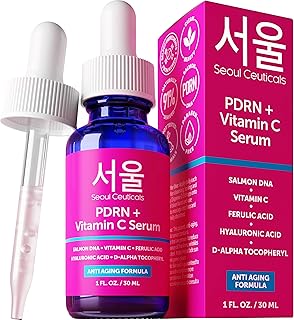
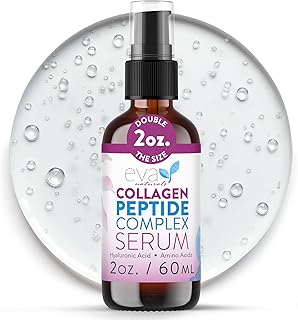
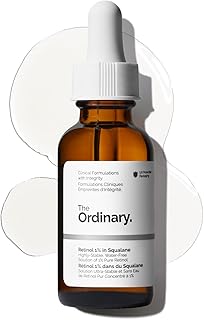
A few well-researched ingredients consistently deliver results: retinol accelerates cell renewal and stimulates collagen production; vitamin C (especially paired with ferulic acid) defends against oxidative damage and brightens uneven tone; and hyaluronic acid draws moisture into the skin to visibly plump and soften the look of lines. The serums below combine these actives in formulas designed for daily use, giving you a straightforward starting point whether you're addressing early signs or deeper creasing.
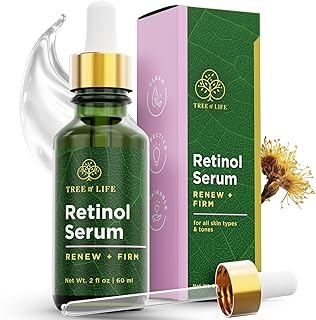
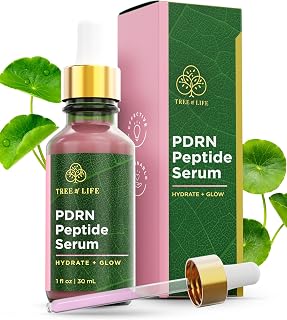
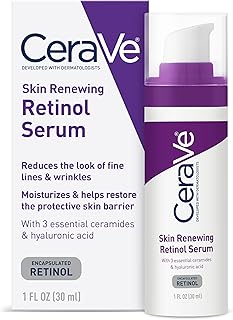
Best picks for fine lines & wrinkles
Top-reviewed products that target this concern.











Fine Lines & Wrinkles: frequently asked questions
Can adapalene help with wrinkles?
Yes. Adapalene is a third-generation retinoid originally approved for acne, but research confirms it also stimulates collagen production and accelerates cell turnover, both of which soften fine lines over time. It tends to cause less irritation than tretinoin, making it a solid entry point for retinoid beginners.
Consistency matters most, meaningful improvement typically takes 12 weeks or longer. Always follow with SPF during the day, as retinoids increase sun sensitivity.
How can I reduce fine lines on my face?
A targeted routine built on three pillars does the most work: a vitamin C serum in the morning to defend against oxidative damage, a retinol serum at night to boost collagen and speed cell renewal, and broad-spectrum SPF 30+ every single day, sun damage is the leading driver of premature lines.
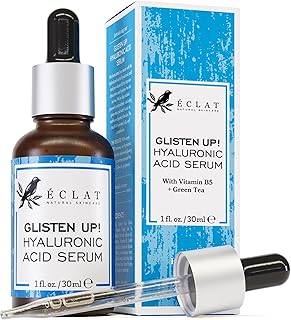
Adding a hydrating hyaluronic acid serum like the Eclat Hyaluronic Acid Serum with B5 plumps the skin temporarily and supports the skin barrier, making other actives work better.
What do Koreans use against wrinkles?
K-beauty anti-aging routines prioritize long-term skin health over quick fixes. Core steps include double cleansing, layered hydration with essences and serums rich in niacinamide, snail mucin, and peptides, and consistent SPF use, often reapplied throughout the day. Prevention is treated as seriously as correction.
Ingredients like centella asiatica and fermented extracts also appear frequently, valued for their ability to calm inflammation that accelerates skin aging.
What's the best anti-aging routine in your 40s and 50s?
In your 40s and 50s, collagen production has slowed measurably, so actives need to work harder. A morning antioxidant serum, such as the TruSkin Vitamin C Serum with Hyaluronic Acid & Vitamin E, paired with SPF anchors daytime protection. At night, a retinol serum addresses existing lines while stimulating renewal.
A richer moisturizer becomes increasingly important as the skin barrier naturally thins with age. Peptide-based creams and ceramide formulas are especially useful at this stage.
Do wrinkle creams actually work?
Some do, with realistic expectations. Over-the-counter creams can meaningfully improve the appearance of fine lines when they contain evidence-backed ingredients: retinol, niacinamide, peptides, or vitamin C. They are not equivalent to prescription tretinoin or in-office procedures, but consistent use over months produces visible improvement for most people.
The biggest predictor of results is daily SPF, no cream outperforms sun protection when it comes to preventing and reducing photoaging.
Is retinol better than vitamin C for fine lines?
They work differently and complement each other rather than compete. Retinol works at night to increase cell turnover and stimulate collagen synthesis, it is among the most studied OTC anti-aging ingredients available. Vitamin C works best in the morning, neutralizing free radicals before they can break down collagen and brightening uneven tone caused by sun damage.
Using both, a vitamin C serum like the Eclat Vitamin C Serum with Ferulic Acid in the AM and a retinol serum in the PM, gives you overlapping benefits across the full day.
What ingredients actually work for deep wrinkles?
For established, deeper lines, prescription-strength tretinoin has the strongest clinical evidence. Among OTC options, higher-concentration retinol, peptides (especially Matrixyl/palmitoyl tripeptide-1), and glycolic acid exfoliants have meaningful research support. These ingredients work by rebuilding collagen, smoothing texture, and improving skin thickness over time.
Hyaluronic acid and ceramides do not erase deep wrinkles but keep the skin barrier intact, a healthy barrier makes active ingredients more effective and lines look less pronounced.