
Dryness & Dehydration
Dryness and dehydration are often used interchangeably, but they're distinct concerns. Dry skin is a skin type lacking oil, while dehydration is a condition where skin lacks water, and you can experience both at once. Symptoms include tightness, flakiness, a dull complexion, and fine lines that seem more pronounced after cleansing.
The most effective approach combines humectants like hyaluronic acid and niacinamide to draw moisture into skin, with emollients and occlusives, such as the ceramides and fatty acids found in CeraVe formulas, to seal it in. Brightening actives like vitamin C and retinol also help by improving skin texture and turnover, making skin better able to retain hydration over time.
Best picks for dryness & dehydration
Top-reviewed products that target this concern.






Dryness & Dehydration: frequently asked questions
What exactly causes dry skin?
Dry skin happens when the skin barrier loses moisture faster than it can retain it. The main culprits are a weakened lipid barrier (often genetic), low humidity, hot showers, harsh cleansers, and aging, all of which strip the natural oils that seal water into skin cells.
Dehydration is slightly different: even oily skin can be dehydrated when it lacks water rather than oil, often from skipping moisturizer or overusing exfoliants.
What is a good skincare routine for dry skin?
Keep it simple and layered: a gentle, non-foaming cleanser, a hydrating serum with hyaluronic acid, and a rich cream or lotion applied while skin is still slightly damp to lock in moisture. Finish with SPF in the morning.
CeraVe Moisturizing Cream is a reliable last step, it contains ceramides and hyaluronic acid to reinforce the barrier without fragrance or irritants.
How do you intensely hydrate dry skin?
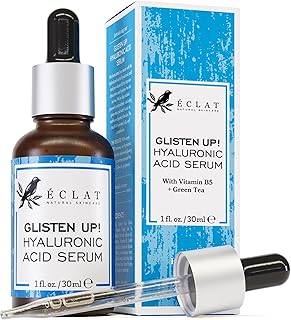
Layer hydration: start with a hyaluronic acid serum on damp skin to draw water in, then seal it immediately with a cream or balm so that moisture doesn't evaporate. For an overnight boost, apply a thicker occlusive layer, a ceramide cream or even a thin swipe of petrolatum, as the last step before bed.
The Tree of Life Hyaluronic Acid Serum works well as that first hydrating layer under your moisturizer.
What do dermatologists recommend for severely dry skin?
Most dermatologists point to three things: ceramides to rebuild the barrier, humectants like hyaluronic acid or glycerin to attract water, and occlusives to seal everything in. They consistently advise fragrance-free, dye-free formulas and warn against hot water and over-cleansing.
Products that combine all three, like CeraVe Moisturizing Cream, are frequently cited as a dermatologist go-to for both face and body.
Is vitamin C good for dry skin?
Yes, when formulated well. Vitamin C is an antioxidant that brightens uneven tone and supports collagen production, both useful for dry skin that can look dull. Look for stable, hydrating formulas that pair vitamin C with nourishing ingredients rather than high-alcohol bases, which can be drying.
The Tree of Life Vitamin C Brightening Oil Serum blends vitamin C into an oil base, which suits dry skin particularly well.
What is the 4-2-4 cleansing rule in skincare?
It's a double-cleanse timing method popularized in K-beauty: massage an oil cleanser onto dry skin for 4 minutes to dissolve sunscreen and makeup, emulsify with water for 2 minutes, then rinse thoroughly for another 4 minutes. The longer massage is thought to improve circulation and ensure thorough removal without stripping.
For dry skin, the oil-first step is especially gentle compared to foaming cleansers used alone.
How do you care for dry skin while on Accutane?
Accutane (isotretinoin) dramatically reduces oil production, making intense moisturization non-negotiable. Use a fragrance-free, ceramide-rich cream morning and night, a gentle non-foaming cleanser, and a thick lip balm. Avoid retinoids, exfoliating acids, and anything abrasive while on the medication, and always apply broad-spectrum SPF daily since skin becomes more sun-sensitive.
A basic, barrier-focused moisturizer like CeraVe Daily Moisturizing Lotion is often recommended for its simple, non-irritating ingredient list.