
Acne & Breakouts
Acne and breakouts occur when pores become clogged with excess oil, dead skin cells, and bacteria, a combination that triggers inflammation, whiteheads, blackheads, and deeper cysts. Hormonal shifts, stress, and certain skincare products can all make skin more prone to congestion, which is why a consistent, targeted routine matters more than any single product.
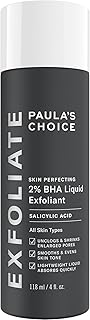
Ingredients with strong evidence behind them include salicylic acid (a BHA that exfoliates inside the pore), benzoyl peroxide (which targets acne-causing bacteria), and niacinamide (which helps calm redness and regulate oil). Pairing an effective cleanser and treatment with a non-comedogenic SPF, like a fluid sunscreen formulated for acne-prone skin, keeps the routine balanced without adding new congestion.
Best picks for acne & breakouts
Top-reviewed products that target this concern.









Acne & Breakouts: frequently asked questions
What causes acne breakouts?
Acne forms when excess sebum, dead skin cells, and bacteria clog hair follicles. Hormonal shifts, during puberty, menstruation, or stress, ramp up oil production and are the most common trigger. Certain occlusive skincare products and not cleansing after sweating can also contribute.
What do dermatologists recommend for acne?
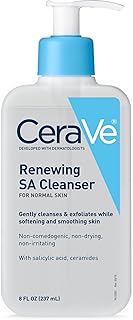
Dermatologists most often point to benzoyl peroxide, salicylic acid, and niacinamide as the over-the-counter workhorses. A gentle, non-comedogenic cleanser like CeraVe Renewing Salicylic Acid Cleanser removes surface oil while the 2% BHA helps keep pores clear. For persistent or cystic acne, prescription retinoids or topical antibiotics are typically the next step.
What skincare ingredients actually clear acne?
Benzoyl peroxide kills acne-causing bacteria and is one of the most clinically supported options, PanOxyl 10% Benzoyl Peroxide Foaming Wash is a widely used choice. Salicylic acid exfoliates inside pores, niacinamide reduces inflammation and excess oil, and adapalene (OTC retinoid) promotes cell turnover to prevent new clogs.
Should I moisturize if I have acne?
Yes, skipping moisturizer can make skin overcompensate by producing more oil, worsening breakouts. Choose a lightweight, oil-free, non-comedogenic formula. Look for ingredients like hyaluronic acid and ceramides that hydrate without clogging pores. Avoiding moisturizer is one of the most common mistakes people with oily or acne-prone skin make.
What skincare should I avoid with acne?
Steer clear of heavy occlusives like coconut oil, petrolatum-rich creams, and alcohol-heavy toners that either clog pores or strip the skin barrier and trigger rebound oiliness. Physical scrubs with coarse particles can rupture active pimples and spread bacteria. Always check labels for "non-comedogenic" before adding anything new.
Is vitamin C good for acne?
Vitamin C won't treat active acne directly, but it does help fade post-acne dark marks (PIH) by inhibiting melanin production, and its antioxidant properties calm low-grade inflammation. Opt for a stable, non-irritating form such as ascorbyl glucoside or ethyl ascorbic acid if your skin is reactive, and layer it only after breakouts have resolved.
What do Korean skincare routines do differently for acne?
K-beauty approaches acne with barrier-first thinking: gentle pH-balanced cleansing, layered lightweight hydration, and targeted spot treatments rather than aggressive drying agents. Ingredients like centella asiatica (cica) and niacinamide with zinc, found in serums such as the Eclat Clarifying Niacinamide Serum, calm redness and regulate sebum without compromising the skin barrier.