
PDRN
PDRN (polydeoxyribonucleotide) is a DNA-derived ingredient extracted from salmon sperm cells. It works by binding to adenosine receptors in skin tissue, signaling cells to repair and regenerate. Originally developed in wound-care medicine, it has since crossed over into skincare for its ability to support collagen synthesis, calm inflammation, and improve overall skin resilience.
PDRN is well-suited for anyone dealing with dullness, uneven texture, post-acne marks, or skin that's slow to recover from stress or environmental damage. Sensitive and compromised skin types tend to respond particularly well. It appears in serums and ampoules, apply after cleansing and before moisturizer, ideally morning and evening. Consistent daily use over several weeks is typically needed to see noticeable improvement in firmness and clarity.
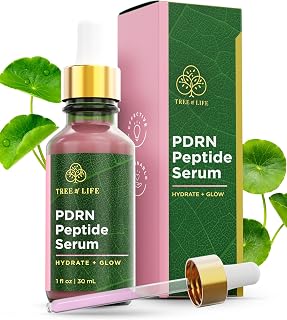
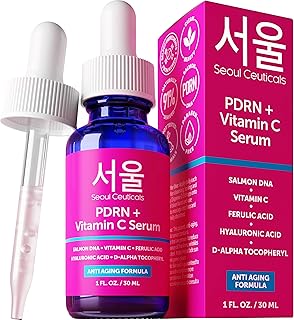
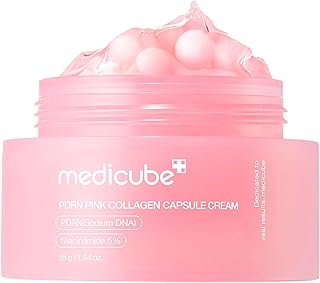
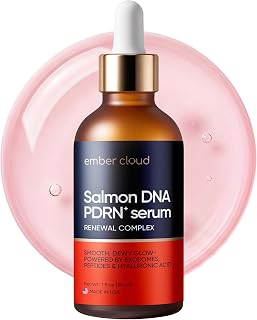
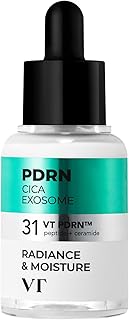
Best PDRN picks
Top-reviewed formulas featuring this ingredient.








Guides about PDRN
Snail Mucin Pairings: What to Layer for Glass Skin
Snail mucin plays well with niacinamide, hyaluronic acid, vitamin C, and retinol, here's how to layer each correctly, and what to skip.
Read → K-BeautyBest Korean Snail Mucin Products for Glowing, Repaired Skin
A no-hype guide to the best Korean snail mucin essences, creams, and masks for softer texture and a stronger moisture barrier.
Read →PDRN: frequently asked questions
What does PDRN do for your skin?
PDRN (polydeoxyribonucleotide) is a purified DNA fragment that binds to adenosine receptors in skin cells, triggering repair and regeneration signals. It's studied for supporting collagen synthesis, improving skin texture, and helping skin recover from damage. Topically, it also acts as a humectant, pulling moisture into the skin for a plumper, more hydrated appearance over time with consistent use.
Is PDRN salmon sperm?
Technically, yes, PDRN is extracted from salmon testes, so it originates from salmon sperm cells. But the final ingredient is a highly purified chain of nucleotides, stripped of proteins and cellular material. Think of it like how many cosmetic ingredients start from biological sources but end up as refined, lab-processed molecules. The "salmon sperm" framing is accurate but a bit sensational.
What do dermatologists think about PDRN?
Most dermatologists are cautiously optimistic. The injectable form, widely used in Korea and Europe for wound healing and skin rejuvenation, has a meaningful body of clinical evidence. Topical PDRN is newer and harder to evaluate rigorously, since the molecule is large and skin penetration is uncertain. Formulations using smaller DNA fragments are improving, and early topical data looks encouraging, though more studies are needed.
Can you use PDRN daily?
Yes, topical PDRN is gentle enough for daily use in both morning and evening routines, with no sun-sensitivity concerns. It layers well with other hydrating and barrier-focused ingredients. For an intensive weekly boost, a sheet mask like the BIODANCE Rejuvenating Caviar PDRN Real Deep Mask can complement a daily PDRN serum routine.
What are the side effects of PDRN?
Topical PDRN has a good tolerability profile, most users experience no irritation, making it reasonable even for sensitive skin. Allergic reactions are possible but rarely reported. If you have a known fish or seafood allergy, check with a dermatologist before using salmon-derived PDRN as a precaution; purification removes proteins, but individual sensitivities can vary.
Do you put PDRN on before or after retinol?
Apply PDRN before retinol. The standard rule is lightest to heaviest, and PDRN serums are typically thin and water-based. Applying it first lets it absorb cleanly, and its reparative properties may help buffer some of retinol's potential irritation. The PDRN Salmon DNA & Vitamin C Serum works well as an early-layer treatment in an actives-focused evening routine.
How long do PDRN results last?
Topical PDRN works cumulatively, most users notice improved hydration and smoother texture within a few weeks of consistent use. Results are maintained with ongoing use rather than a one-time effect. Injectable PDRN treatments performed in-office tend to show more lasting structural improvements, but topical products are designed for steady daily support, not dramatic single-session results.